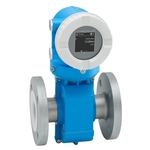
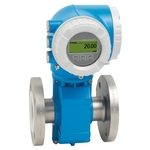
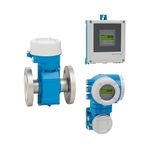
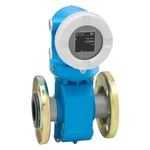
Floating Measurement for stable electromagnetic flow measurement without galvanic corrosion
Prevent electrical interference, reduce maintenance effort and maintain reliable flow measurement in challenging process environments
In electrochemical processes, aggressive media, non-conductive pipelines or electrically isolated installations, electrical potentials can develop between the fluid, the pipeline and protective earth. These potential differences can influence the measurement stability of an electromagnetic flowmeter, create equalizing currents and increase the risk of galvanic corrosion. This may result in unstable measurement values, increased maintenance effort, reduced component lifetime and a greater risk of process interruptions. Reliable electromagnetic flow measurement therefore depends not only on the measuring principle itself, but also on a stable electrical reference condition. Floating Measurement from Endress+Hauser was developed specifically for these challenging conditions.
Floating Measurement at a glance
What is Floating Measurement? Floating Measurement is a galvanically isolated electromagnetic flow measurement concept that prevents equalizing currents while maintaining a stable reference potential to the process fluid.
Why is it important? It helps maintain measurement stability and protects against galvanic corrosion in electrically challenging installations.
Where is it used? Electrolysis, chlor-alkali processes, chemical applications with aggressive media, seawater systems and industrial wastewater operations.
What is the key benefit? Reliable electromagnetic flow measurement without unwanted electrical interference.
Could electrical potential differences be affecting your flow measurement?
Electrical influences are often difficult to identify because the symptoms can resemble sensor, installation or process issues. Typical indicators include unstable measurement values, unstable readings at zero flow, inexplicable device diagnostics or premature wear of grounding components, such as grounding rings and discs.
In many cases, the actual cause is not the flowmeter itself but electrical potential differences within the installation. Beyond measurement stability, electrical potential differences can increase maintenance requirements, reduce process reliability and shorten the availability of critical assets.
Understanding and controlling electrical influences can therefore contribute to more reliable operation and lower lifecycle costs.
For reliable electromagnetic flow measurement, the flowmeter's transmitter and the process fluid must share a stable electrical reference potential. Because the induced flow signal is typically very small, the measurement can be sensitive to electrical disturbances. If the reference condition changes or unwanted currents are present, measurement stability may be affected. In some installations, electrical potential differences can occur between the process fluid, the pipeline, protective earth and connected equipment. These potential differences may create unwanted equalizing currents that influence measurement stability and can contribute to electrochemical corrosion of reference electrodes or grounding components.
Floating Measurement addresses this challenge by galvanically isolating the transmitter from protective earth while maintaining the electrical potential of the fluid.
As a result:
No conductive path exists for unwanted equalizing currents
Electrical disturbances caused by potential differences are minimized
The measuring system focuses on the actual flow signal
Measurement performance remains stable even under demanding conditions
This translates into reliable and reproducible measurement results.
Stable measurement values and protection against galvanic corrosion
One of the key advantages of Floating Measurement is its ability to maintain measurement stability while providing effective protection against galvanic corrosion. Because unwanted equalizing currents are prevented, critical components such as reference electrodes and grounding elements are exposed to less electrochemical stress. This helps increase component lifetime and decrease maintenance requirements. In many applications, Floating Measurement can also reduce or eliminate the need for additional grounding discs. This simplifies installation, avoids potential leak points and lowers overall maintenance effort.
Typical applications for Floating Measurement
Electrolysis and electrochemical processes: Electrical potential differences are an inherent part of these processes and can challenge conventional grounding concepts.
Chlor-alkali production: Aggressive process conditions and electrochemical effects place high demands on measurement reliability and corrosion protection.
Chemical and petrochemical industries: Potential differences and aggressive media can influence both measurement stability and component lifetime.
Seawater, brine and industrial wastewater: Conductive and often aggressive media, combined with challenging grounding conditions, can affect measurement stability and increase corrosion risk.
Heartbeat Technology adds an additional layer of transparency by monitoring electrical conditions within the installation. Together, the technologies help maintain measurement stability while providing early visibility into changing process or installation conditions.
Complementary technologies
In addition to Heartbeat Technology, Floating Measurement can also be complemented by further Endress+Hauser innovations, such as:
Buildup measurementfor a clear indication when and where cleaning is required.
HBSI for continuous monitoring of the magnetic system.
Frequently asked questions about Floating Measurement
Find the right solution for electrically challenging applications
Whether you operate electrolysis systems, chlor-alkali processes, seawater installations or industrial wastewater applications, selecting the right flowmeter configuration is critical for long-term measurement reliability.
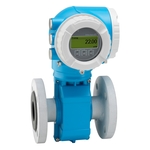
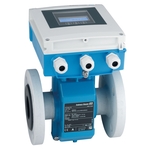
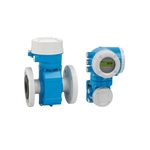
Explore available Promag flowmeters with Floating Measurement technology.
Olin Corporation uses Proline Promag P 300 for its electrolysis process and benefits from accurate readings in harsh conditions thanks to the option “Floating measurement”.
Westlake Vinnolit uses chlor-alkali electrolysis to produce chlorine, caustic soda and hydrogen, relying on Promag Proline P 300/500 as an accurate flowmeter that is immune to electrical interference.
Electromagnetic flow measurement is a well-established method throughout industries for more than 60 years. Magmeters are used universally in all industries.
Explore the essential features and benefits of electromagnetic flowmeters to enhance your understanding and applications. Read the article for insights.